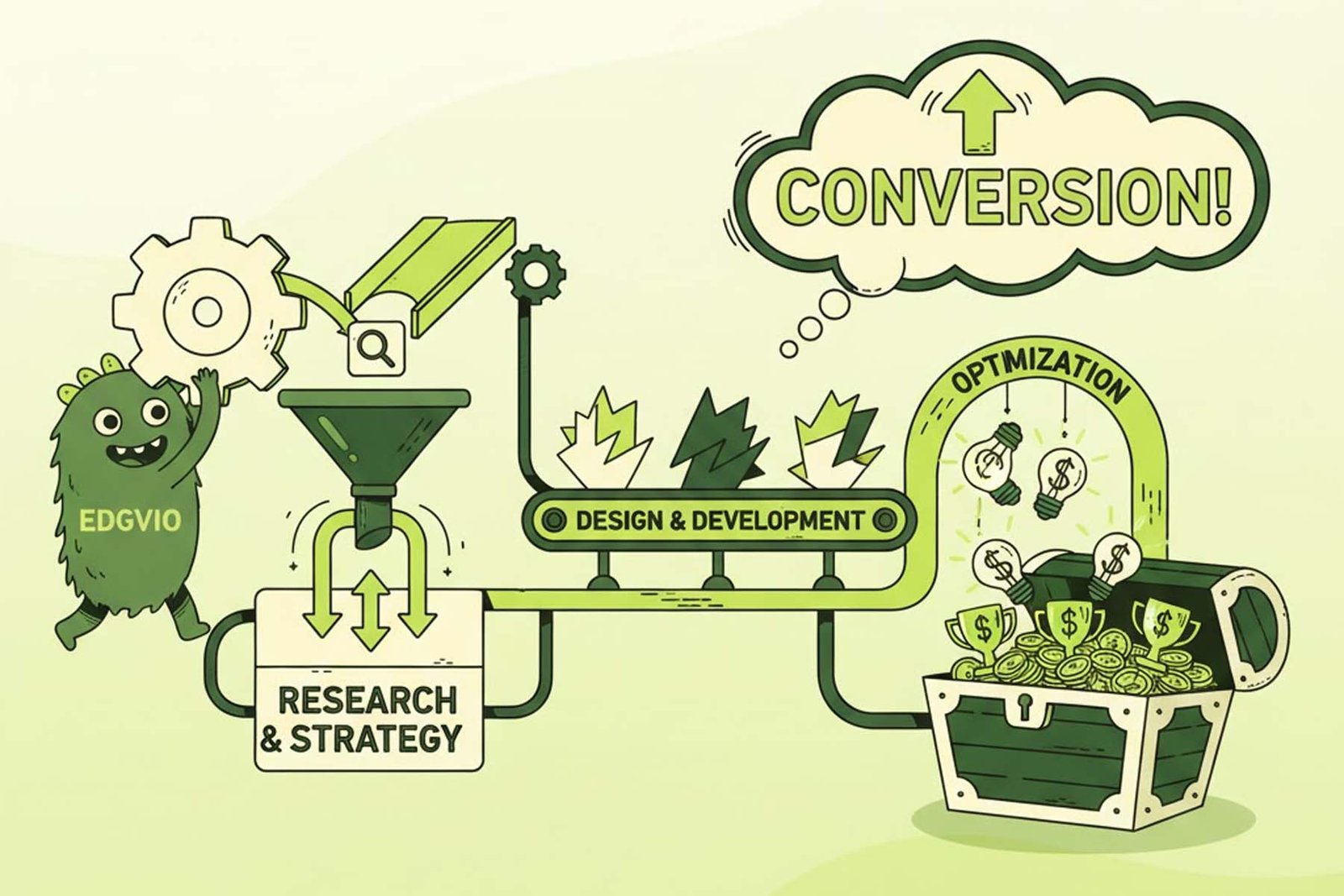
Conversion-focused design refers to the practice of creating websites that are specifically tailored to guide visitors toward desired actions, whether that be making a purchase, signing up for a newsletter, or contacting a business for more information. The essence of this design approach lies in prioritizing the user’s experience and strategically aligning website elements to foster engagement and conversions. By placing the user at the center of the design process, businesses can significantly enhance their website’s effectiveness in fulfilling its purpose.
User-centric design principles play a crucial role in conversion-focused websites, as they seek to understand and anticipate the needs of the visitors. This involves a thorough analysis of user behavior, preferences, and pain points, allowing designers to create intuitive and appealing pathways through the site. When users find what they are looking for quickly and with ease, the likelihood of conversion increases substantially. Hence, implementing clear calls-to-action (CTAs) becomes imperative. These CTAs should be prominently placed, visually appealing, and indicative of the expected action, providing users with clear direction.
Another key component of conversion-focused design is intuitive navigation. A well-structured navigation system allows users to effortlessly explore the website without feeling overwhelmed or confused. Logical categorization of content and accessible menus contribute to a seamless journey, which is particularly important for keeping potential customers engaged and reducing bounce rates.
Furthermore, persuasive content strategies enhance the ability of a website to convert visitors. Effective use of compelling language, testimonials, and visuals can create an emotional connection with the audience, further motivating them to take desired actions. By integrating these essential elements into the website design, businesses can not only improve user experience but also drive conversions, ultimately leading to greater success in their online endeavors.
The Edgvio Website Development Process
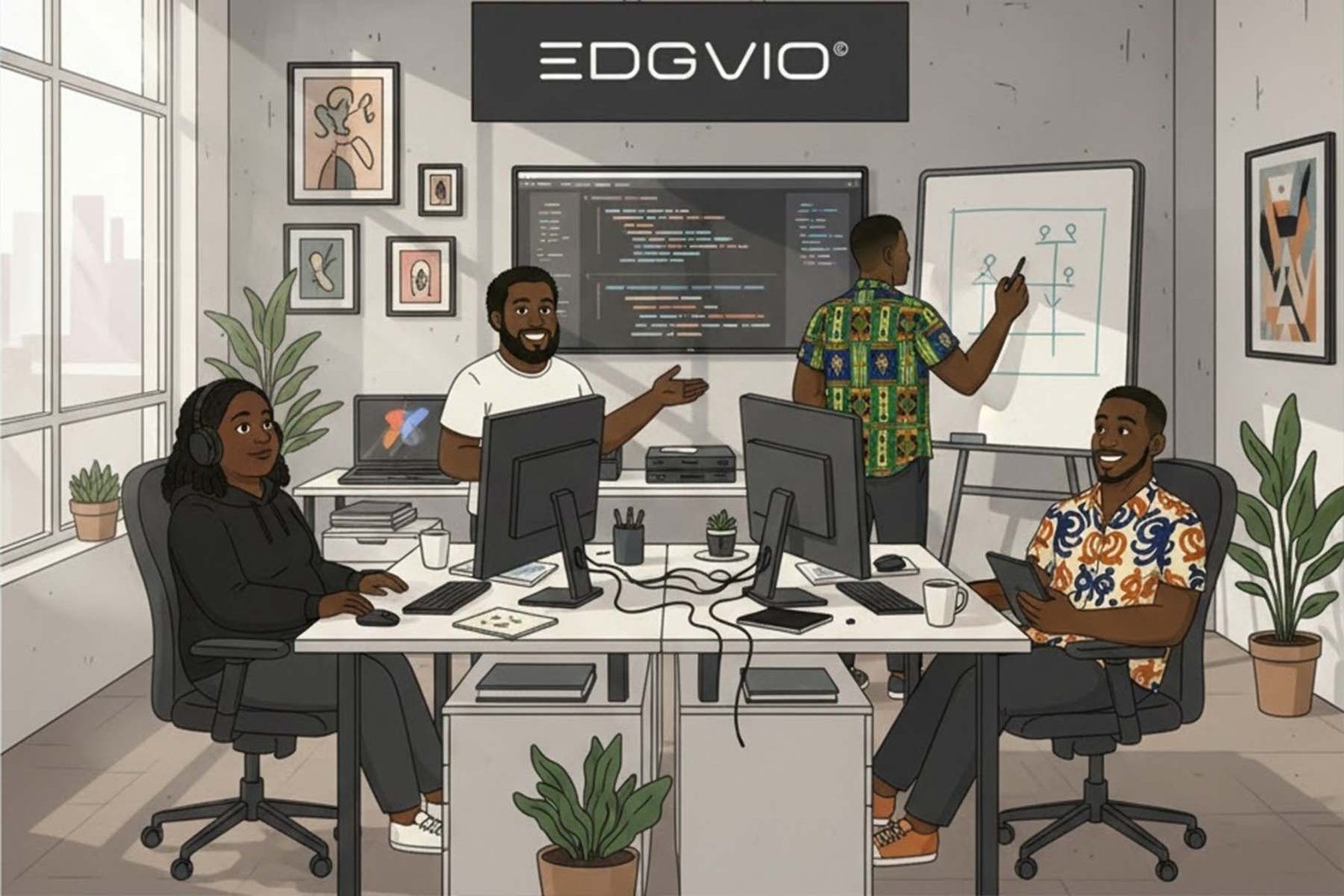
Edgvio employs a meticulous website development process designed specifically with conversion in mind. This process begins with an initial consultation, where the team engages with clients to understand their business objectives, target audience, and vision for the website. By fostering open communication and collaboration, Edgvio ensures that the project aligns with the client’s expectations right from the outset. This step is crucial as it lays the groundwork for all subsequent phases of development.
Once the requirements are gathered, the Edgvio team moves to the planning stage. Strategic planning is essential for creating responsive websites that not only attract visitors but also convert them into customers. During this phase, the team outlines the site’s structure, features, and functionalities, ensuring that each element is geared towards enhancing user experience and driving conversions. Wireframes and prototypes are developed using advanced design tools, allowing both the team and the client to visualize the upcoming website layout and user journey.
After the planning phase, the iterative design process begins. This approach involves creating multiple design versions, soliciting feedback from the client, and iterating based on that feedback. This continuous collaboration between Edgvio and the client guarantees that the design evolves in a way that reflects the client’s branding while maintaining usability and responsiveness across devices.
Testing is a vital phase within the Edgvio development process. The website undergoes rigorous usability testing to identify and rectify any issues before launch. This phase includes testing for functionality, responsiveness, and overall user experience. By ensuring that every aspect of the website is optimized for conversions, Edgvio delivers robust and user-friendly digital solutions that meet clients’ business needs and exceed user expectations.
Responsive Design and Its Importance
Responsive design refers to an approach in web development that ensures a website adjusts seamlessly across various devices and screen sizes, providing an optimized user experience. As mobile usage continues to rise, the importance of responsive design in creating conversion-focused websites cannot be overstated. Edgvio prioritizes this essential feature, guaranteeing that each website functions impeccably, whether accessed on a smartphone, tablet, or desktop computer.
Statistics indicate that mobile devices account for more than half of all global web traffic. This trend emphasizes the necessity for responsive websites, which not only cater to a broader audience but also enhance user engagement. A study by Google found that 61% of users are unlikely to return to a mobile site they had trouble accessing, while 67% of users are more likely to purchase from a mobile-friendly website. By integrating responsive design, Edgvio significantly boosts the likelihood of retaining visitors and increasing conversion rates.
Moreover, search engines like Google favor responsive design when ranking websites. A responsive layout reduces the need for separate mobile versions, minimizing concerns regarding duplicate content and improving a site’s SEO performance. Edgvio employs this strategy to help clients achieve better visibility in search results, thus driving more organic traffic to their platforms. Case studies have shown that businesses with responsive websites saw an increase in conversion rates by up to 30%. This data underscores the critical role a responsive design plays in maximizing potential customer interactions and ultimately driving sales.
The integration of responsive design is vital in today’s digital landscape, where user expectations are high, and competition is fierce. With Edgvio’s commitment to developing responsive websites, clients can rest assured that their web presence will provide an optimal experience for users, leading to increased engagement and conversions.
Measuring Success: Tools and Techniques
Understanding the effectiveness of conversion-focused websites is paramount for any business looking to maximize its online presence and grow its customer base. Edgvio employs a range of analytics tools and metrics to measure how well a website performs in driving conversions. Utilizing platforms such as Google Analytics, Hotjar, and SEMrush allows for a comprehensive view of user interactions and behaviors on the site. These tools provide insight into important aspects such as traffic sources, user demographics, and page engagement, which can be pivotal for tailoring future marketing strategies.
Key performance indicators (KPIs) serve as essential metrics that indicate the success of a website in achieving its conversion goals. Common KPIs include conversion rate, bounce rate, average session duration, and return on investment (ROI). By monitoring these metrics, Edgvio can identify trends and areas that require optimization, ensuring that businesses can make informed decisions based on reliable data. For instance, a high bounce rate may signal inefficiencies in content or design that need addressing, while a low conversion rate may suggest issues in the sales funnel.
Continuous optimization is vital; hence, Edgvio emphasizes the importance of A/B testing and user feedback. A/B testing allows businesses to compare two versions of a website to determine which one yields better results, ultimately driving more conversions. User feedback, gathered through surveys or usability tests, provides qualitative data that can enrich the quantitative insights from analytics tools.
In summary, Edgvio’s methodology for measuring success revolves around leveraging advanced analytics tools and a focused approach to KPIs. This commitment to continuous improvement not only enhances website performance but also ensures that clients achieve tangible results in their online endeavors.