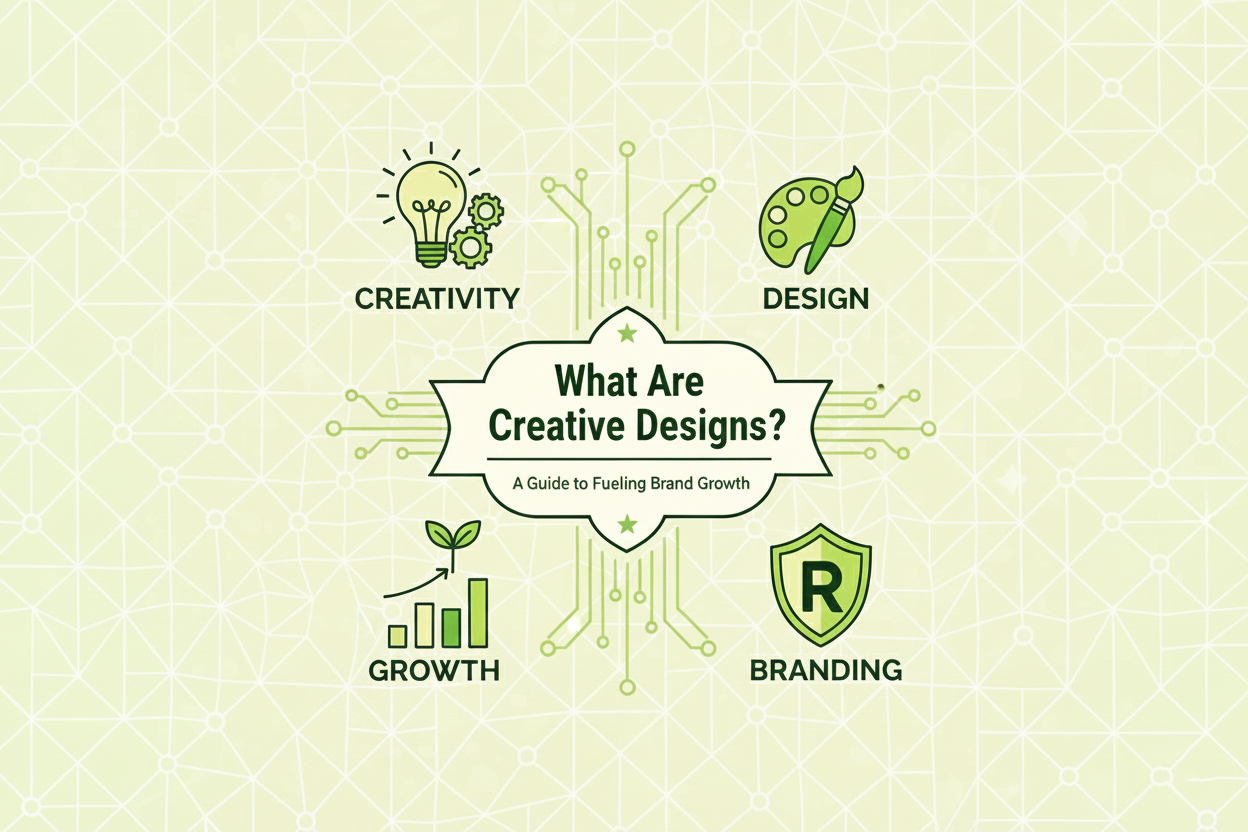
Brand identity embodies the distinct attributes and essentials that define a company’s persona in the marketplace. It encompasses elements such as values, mission, vision, and visual components that collectively convey what a brand stands for. Creating a powerful brand identity is crucial for differentiating a company from its competitors and establishing strong connections with its target audience.
At the core of brand identity are the brand’s values, which reflect its principles and ethics. These values act as a guiding force, influencing every decision made within the organization. When customers identify with a brand’s values, they are more likely to build loyalty and preference towards that brand. For instance, a company that prioritizes sustainability can attract environmentally conscious consumers, allowing it to carve out a niche in a crowded marketplace.
The mission statement of a brand articulates its purpose what the brand aims to achieve and who it serves. This purpose goes beyond profit generation; it connects with customers on an emotional level, providing them a reason to engage with the brand. Coupled with a clear vision, which outlines the brand’s aspirations for the future, these elements create a roadmap that guides strategic decisions and marketing efforts.
Visual elements play an equally crucial role in brand identity. This includes logos, color schemes, typography, and other design aspects that visually express the brand’s essence. A strong visual identity ensures consistency across all platforms, aiding recognition and recall among consumers. When these components harmonize effectively, they convey a cohesive message that resonates with the target audience, reinforcing the brand’s position in their minds. Ultimately, a strong brand identity is not just about aesthetics; it is about creating an impactful presence that speaks to the core of the audience’s needs and preferences.
The Stages of the Creative Process
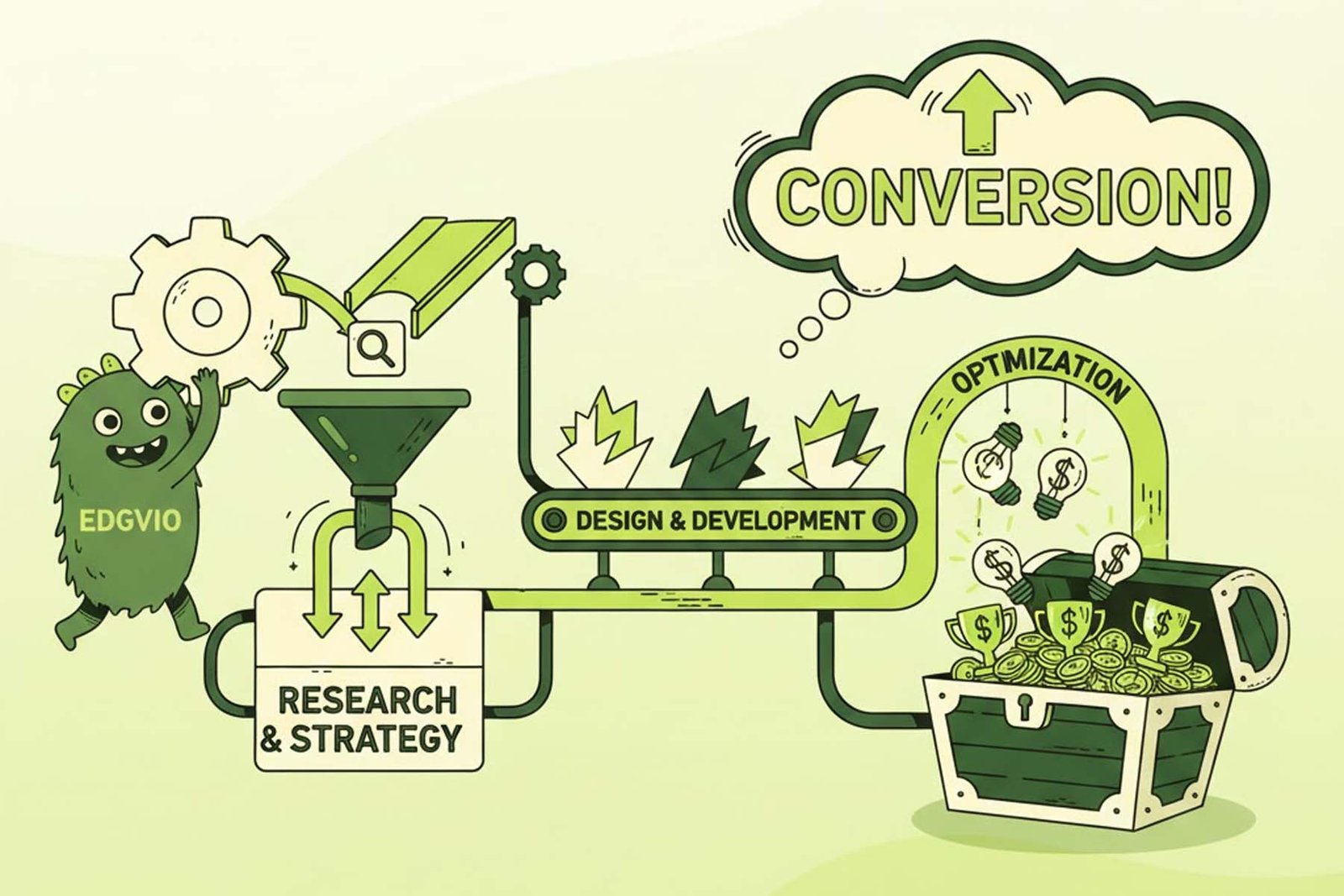
Developing a powerful brand identity is a multifaceted endeavor that unfolds through several distinct stages, each integral to the overall success of the branding effort. The first stage is research, which lays the foundation for the entire creative process. In this phase, designers and strategists gather insights about the target market, industry trends, and competitor branding. By analyzing this data, they can identify gaps in the market and understand the audience’s preferences, ultimately guiding the subsequent steps in the creative process.
Following research, the brainstorming stage commences. Here, creativity is unleashed, allowing team members to generate a multitude of ideas without constraints. This phase encourages open dialogue and collaboration, enabling participants to explore different concepts and perspectives. Ideas are sketched and discussed, leading to the emergence of promising themes that could shape the brand identity. A critical aspect of this stage is the acceptance of unconventional ideas, which may lead to innovative branding solutions.
The conceptualization stage involves refining the ideas generated during brainstorming into a cohesive concept. This includes establishing the brand’s core values, mission, and vision. Once the foundation is laid, the design phase begins, where graphic designers create visual elements, such as logos, color palettes, and typography. This stage emphasizes the importance of aligning visual identity with the brand’s narrative, ensuring that the design resonates with the target audience.
Finally, the implementation stage brings the brand identity to life. This includes deploying the visual elements across various platforms and touchpoints, ensuring a consistent brand experience. Throughout this stage, it is crucial to gather feedback and make iterative adjustments based on real-world performance. Each stage of the creative process demonstrates that developing a brand identity is not linear, but rather an evolving cycle of creativity and reflection, essential for creating impactful brand representations.
Case Studies: Brands That Got It Right
Several brands have undergone transformative identity evolution, demonstrating the significant impact of a well-executed branding strategy. One prominent example is Apple Inc., which, through its minimalist design approach, has effectively communicated innovation and sophistication. Initially characterized by a classic aesthetic, the brand underwent a significant transformation in the late 1990s when it adopted the now-iconic white and silver coloring and sleek product design. This shift not only redefined Apple’s identity but also positioned it as a leader in technology, appealing to a broad consumer base. Apple’s branding strategy emphasizes simplicity and user-friendliness, reinforcing its identity as a pioneer in technology and design.
Another compelling case study is Coca-Cola, which has adeptly navigated the complexities of brand identity amidst changing consumer preferences. The introduction of its “Share a Coke” campaign marked a pivotal moment in the brand’s history, personalizing its product by replacing the traditional logo with popular names. This innovative approach fostered a deeper emotional connection with consumers, demonstrating the importance of personalization in branding. By combining nostalgia with contemporary marketing techniques, Coca-Cola successfully revitalized its identity, appealing to a younger demographic while maintaining its classic brand essence.
Moreover, Airbnb’s rebranding initiative in 2014 serves as a testament to the power of storytelling in brand identity. The introduction of the “Bélo” symbol aimed to represent belonging, indicating a shift from being merely a marketplace to a community-driven platform. This strategic repositioning showcased how effective narratives can create a profound connection with users, turning hosts and guests into integral parts of the brand’s story. Airbnb’s focus on inclusivity and shared experiences has significantly impacted its identity, resulting in greater user engagement and market penetration.
Through these examples, it becomes evident that successful brand identities are cultivated through a combination of innovative design, strategic personalization, and compelling storytelling. The lessons gleaned from these case studies provide invaluable insights for brands aiming to enhance their identity and impact in the marketplace.
Measuring the Impact of Brand Identity
Once a brand identity has been established, it becomes paramount for organizations to measure its effectiveness. To delve into this assessment, businesses can employ several metrics and methods that capture the essence of brand performance. One of the primary metrics for evaluating brand identity is brand awareness, which refers to the extent to which potential customers recognize or recall the brand. Surveys and questionnaires can be instrumental tools in gauging this awareness.
Another critical method for assessing brand identity is analyzing customer engagement. This involves examining how customers interact with the brand across various platforms, including social media, websites, and email campaigns. Engagement metrics such as likes, shares, comments, and click-through rates provide insights into the connection consumers have with the brand. A high level of engagement often indicates that the brand identity resonates well with the target audience.
The impact of brand identity can also be evaluated through sales performance and brand loyalty metrics. An increase in sales is often a direct reflection of a strong brand identity, which appeals to consumers and makes them more likely to purchase. Evaluating repeat purchase rates and customer feedback can further inform how well the brand is performing in terms of customer loyalty. When customers continue to choose a particular brand over its competitors, it illustrates that the brand identity has successfully established trust and affinity.
In addition to these quantitative measures, qualitative methods such as focus groups and customer interviews can offer deeper insights into how consumers perceive the brand identity. These discussions allow brands to understand emotional connections, motivations, and perceptions that may not be captured through standard metrics. By utilizing a combination of these quantitative and qualitative methods, businesses can holistically assess the effectiveness of their brand identity and make informed adjustments as necessary to maintain relevance in a competitive market.