In today’s highly competitive market, branding plays a vital role in the success of a business. A strong brand identity differentiates a company from its competitors, providing a distinct advantage in attracting and retaining customers. As consumers are bombarded with an overwhelming variety of choices, a recognizable brand helps to cut through the noise, facilitating quick decision-making. When customers can identify a brand easily, they are more likely to engage with it, enhancing customer recognition and fostering loyalty.
Moreover, branding establishes trust, an essential component for long-lasting customer relationships. Today’s consumers are increasingly discerning and prefer to align with brands that reflect their own values and beliefs. A well-crafted brand conveys a message and ethos that resonates with the target audience, ultimately guiding their purchasing decisions. Businesses that invest in thoughtful branding strategies can cultivate emotional connections, transforming casual buyers into devoted customers.
The psychological impact of branding on consumer behavior cannot be overstated. Research indicates that a strong brand identity evokes positive emotions that influence how consumers perceive a product or service. This emotional connection often leads to brand loyalty, where customers are not only inclined to repurchase but also advocate for the brand among their peers. In effect, branding can create a community of brand ambassadors, elevating a company’s presence in the marketplace. Additionally, as social media continues to thrive, consumer opinions and experiences regarding a brand can spread rapidly, amplifying the importance of maintaining a positive brand image.
In conclusion, the modern business landscape requires organizations to prioritize branding. By developing a robust brand identity that embodies their values and mission, companies can effectively differentiate themselves, bolster customer recognition, and nurture lasting relationships built on trust. Investing in branding strategies is not merely an option but a necessity for sustainable growth in today’s market.
Integrating Design and Strategy for Effective Branding
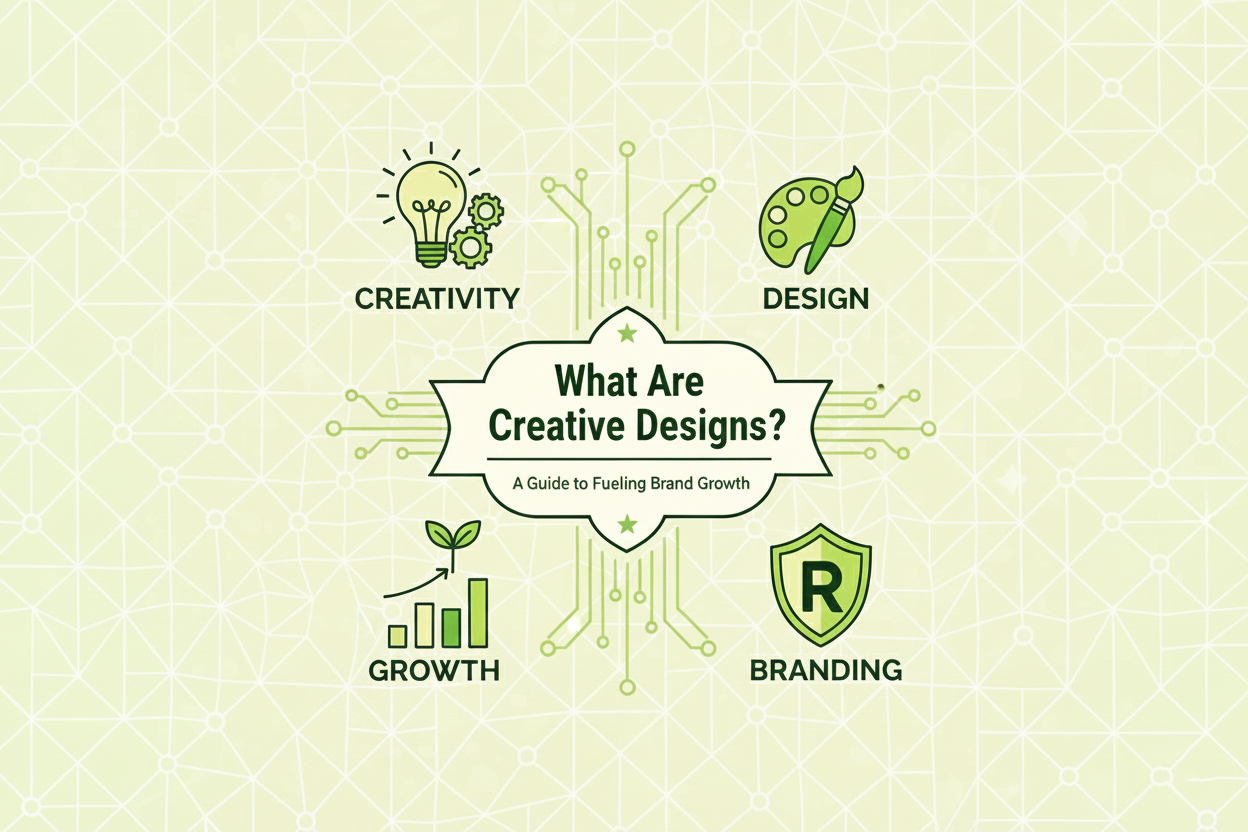
The integration of design and strategy is crucial for developing a brand that resonates with its audience and drives growth. Effective branding extends beyond a mere visual representation; it encompasses the entire experience a consumer has with a brand. Key elements of design, such as logos, color palettes, typography, and overall visual aesthetics, play a vital role in shaping public perception. A well-designed logo serves as the face of the brand, while a consistent color scheme can evoke emotional responses and reinforce brand recall.
However, typography impacts readability and conveys the personality of a brand. For instance, a modern sans-serif font may signal innovation, whereas a classic serif typeface might suggest tradition and reliability. These design choices are not arbitrary; they are deliberate strategies aligned with the brand’s goals and values. The synergy between design and strategic thinking ensures that each element works cohesively to tell a compelling brand story.
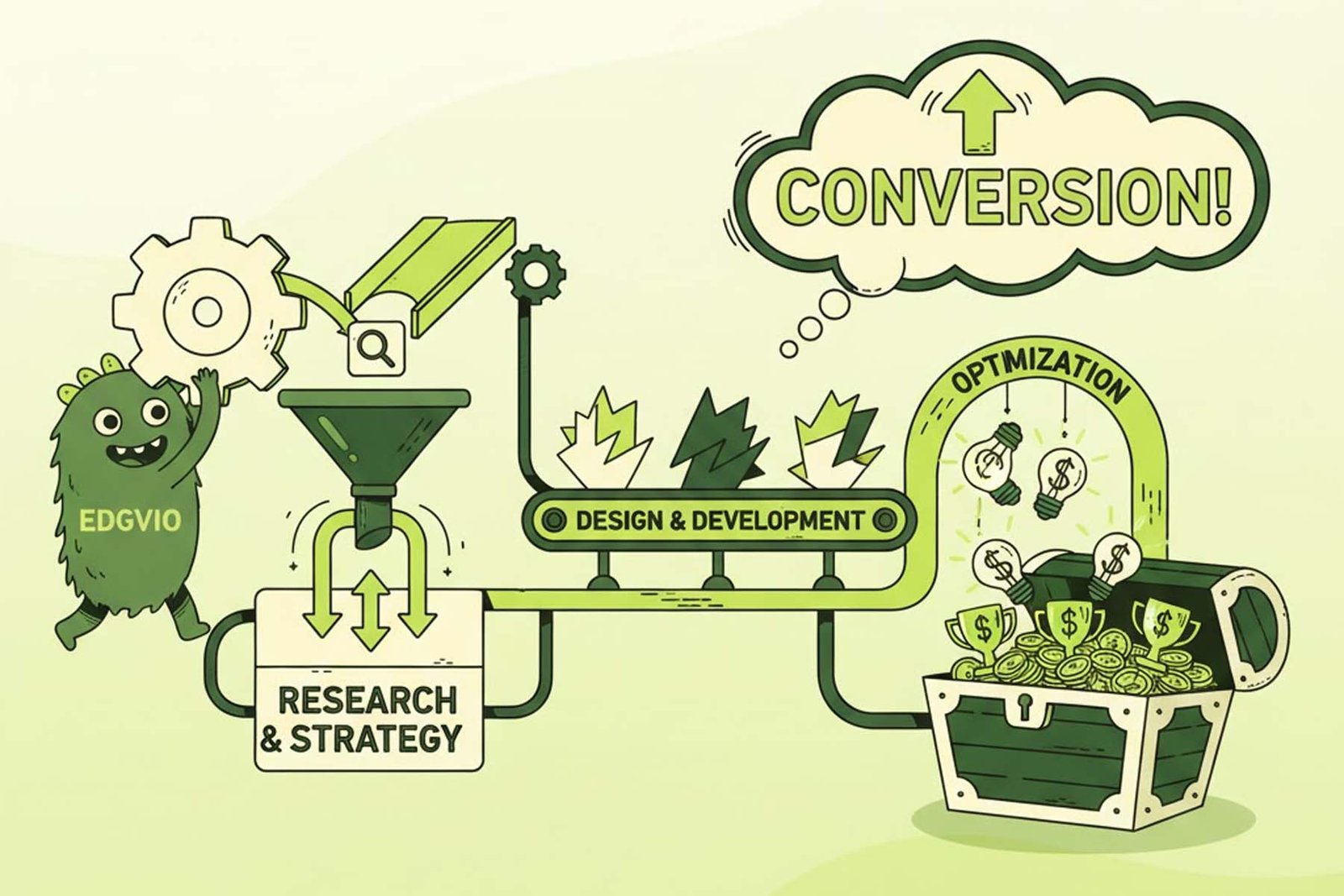
A strategic approach to branding also involves understanding the target audience and positioning the brand effectively in the marketplace. By conducting thorough market research and competitor analysis, organizations can tailor their visual identity to meet audience expectations and differentiate themselves from rivals. This alignment of design with strategic objectives ensures that every visual element not only appeals aesthetically but also serves to communicate the brand’s mission and values clearly.
Ultimately, successful branding is characterized by a seamless interplay between design and strategy. When both aspects are harmonized, brands can cultivate a strong identity that fosters customer loyalty and promotes growth. Every design choice, influenced by careful strategic planning, contributes to a narrative that resonates with consumers, allowing businesses to achieve their long-term objectives and enhance their market presence.
Case Studies: Successful Brands That Mastered Design and Strategy
Examining successful brands that have combined design and strategy reveals insightful patterns on how effective branding can foster growth and customer loyalty. One prominent example is Apple, which has consistently utilized a minimalist design philosophy alongside a clear brand strategy focused on innovation and user experience. The sleek lines of their products are complemented by a marketing narrative that emphasizes simplicity and functionality. This alignment has helped Apple cultivate a strong, loyal customer base, with high market share and unprecedented brand equity.
Another remarkable case is Coca-Cola, a brand that has transcended mere product offerings through strategic branding efforts. Coca-Cola’s red-and-white color scheme and iconic logo have become synonymous with refreshment and joy. Their campaigns often integrate design elements that evoke nostalgia and happiness, maintaining an emotional connection with consumers. The brand’s consistent theme of sharing and social connectivity bolsters customer loyalty, showcasing that thoughtful design and strategic messaging work hand in hand to build a community around the brand.
Additionally, Nike serves as an exemplary model of blending design and strategy effectively. The brand’s “Just Do It” slogan, coupled with impactful visuals in its advertisements, resonates deeply with individuals aspiring to achieve their fitness goals. By prioritizing performance-driven design in their products and fostering a culture of motivation and empowerment, Nike has established itself as not just an athletic brand but a lifestyle choice. This dual approach has contributed significantly to their sustained growth and devoted customer loyalty.
These case studies illustrate that effective branding is not merely about aesthetics; it encompasses a broader strategy that aligns with customer values and expectations. By studying these successful brands, we glean that integrating thoughtful design with strategic considerations can lead to remarkable results in market share and customer engagement.
Future Trends in Branding: Staying Ahead of the Curve
As the business landscape continues to evolve, organizations must remain vigilant in tracking emerging trends in branding that can influence their growth and customer loyalty. One significant trend is the impact of digital transformation, which has reshaped how brands communicate and engage with their audiences. Companies are increasingly utilizing technologies such as artificial intelligence, machine learning, and data analytics to create more personalized and efficient customer experiences. This integration of technology not only enhances customer interaction but also drives brand loyalty by providing tailored experiences that resonate with individual preferences.
The rise of personalized branding cannot be overlooked. Consumers today are seeking brands that understand their unique needs and values. As a result, businesses are innovating their marketing strategies to focus on creating personalized experiences that foster emotional connections. Experiential branding is also gaining momentum; organizations are offering immersive experiences that allow customers to actively engage with the brand. From interactive campaigns to branded events, these experiences help solidify brand recognition and foster loyalty by providing memorable touchpoints.
Sustainability and social responsibility have become pivotal in modern brand messaging. Consumers increasingly favor brands that demonstrate a commitment to ethical practices and environmental responsibility. This shift in consumer behavior necessitates that companies integrate sustainability into their core values and branding strategies. By transparently communicating their efforts towards social responsibility, organizations can build trust and alignment with their audience’s values, further enhancing brand loyalty.
To adapt to these trends effectively, businesses should evaluate their current branding strategies and consider aligning them with customer expectations. By embracing technological advancements, prioritizing personalized experiences, and committing to sustainable practices, companies can ensure they remain competitive in an ever-changing marketplace. As organizations focus on innovation, they will craft brands that not only meet the demands of today’s consumers but also lay the groundwork for enduring relationships in the future.