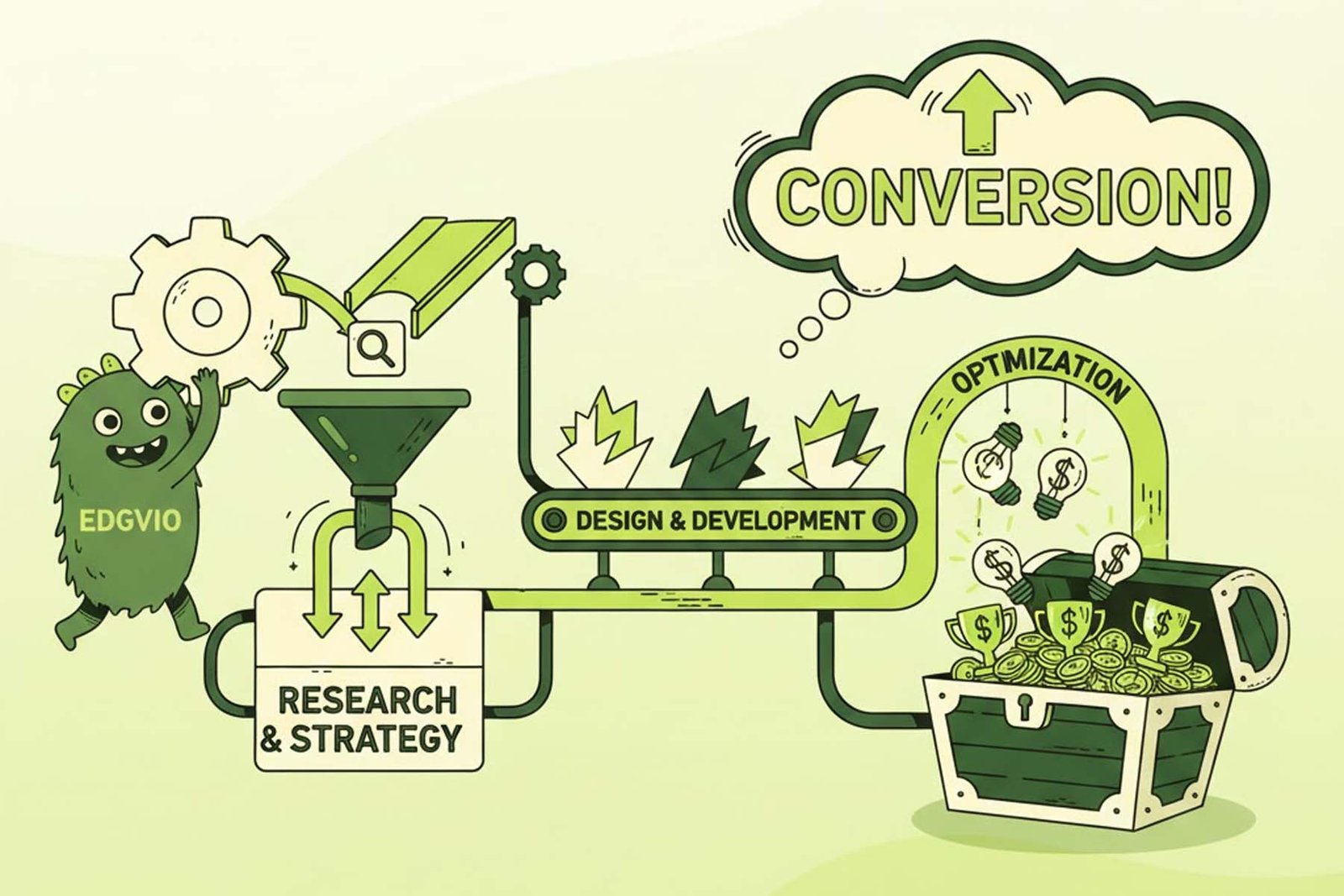
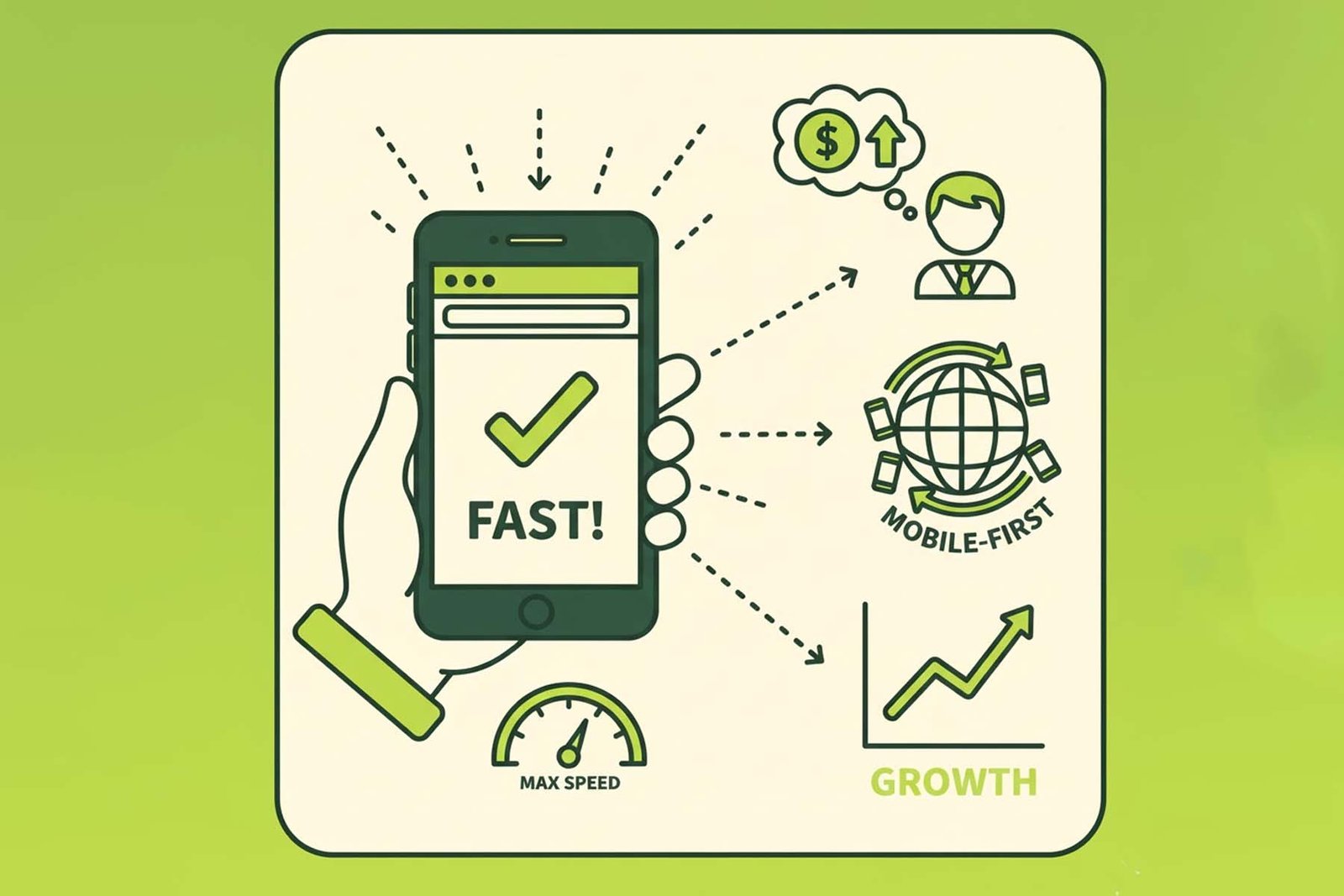
Searching for popular web design companies can feel like diving into an endless ocean of options. The biggest names and longest lists often dominate search results, but how do you find the right partner for your business? It’s time to go beyond the big names and learn how to evaluate and choose the web design company that will actually drive growth for your business.
Beyond Popularity: What Truly Defines a Top Web Design Company?
In the world of digital design, popularity doesn’t always equal the best fit for your specific goals. The agency that works for a global corporation might not be the agile, conversion-focused partner a startup needs. To find a team that will deliver real impact, you need to shift your focus from brand recognition to genuine expertise. The best partners share a few key traits: they lead with strategic thinking, follow a clear and transparent process, and maintain an unwavering focus on your return on investment (ROI).
The 4 Pillars of a High-Impact Web Design Partner
- A strong, relevant portfolio with proven results. Look for a body of work that showcases not just beautiful designs, but also successful outcomes. The portfolio should demonstrate an ability to solve business challenges similar to yours.
- Niche expertise in your industry. A generalist agency can build a website, but a specialist understands your audience, your challenges, and your market. Whether you’re in SaaS, e-commerce, or B2B services, finding a partner with industry-specific experience is a massive advantage.
- A transparent and collaborative design process. You should never be left in the dark. A top-tier company will walk you through their methodology, from discovery and strategy to design, development, and launch, treating you as a key stakeholder every step of the way.
- Client testimonials that speak to business growth. Glowing reviews are great, but look for testimonials that mention more than just aesthetics. The most valuable feedback will highlight tangible results like increased leads, higher conversion rates, and improved user engagement.
Types of Web Design Companies: Finding Your Fit
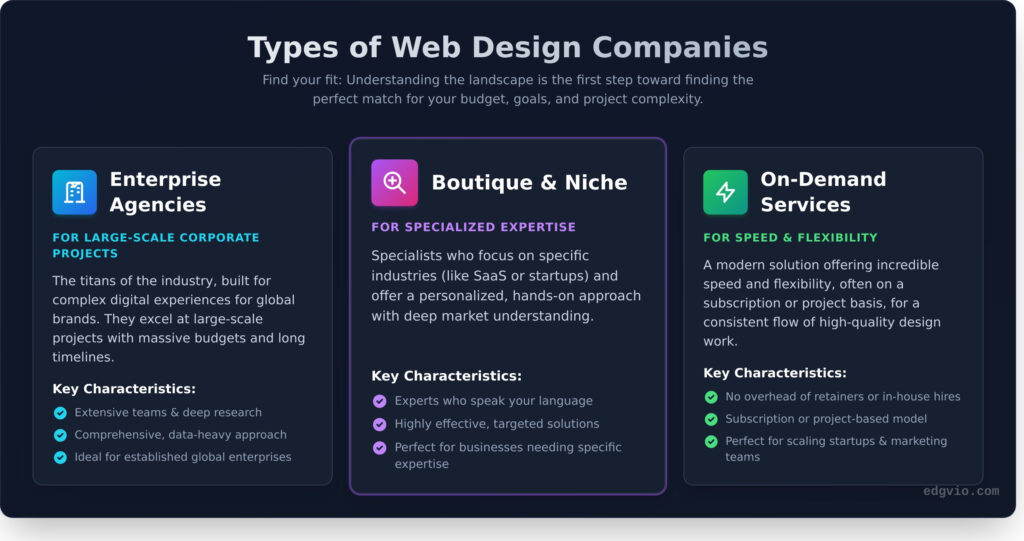
Not all agencies are created equal, and understanding the landscape is the first step toward finding the perfect match for your budget, goals, and project complexity. The right choice depends entirely on what you want to achieve.
Enterprise Agencies: For Large-Scale Corporate Projects
These are the titans of the industry, built to handle complex, multi-faceted digital experiences for large corporations and global brands. With extensive teams and deep research capabilities, they excel at large-scale projects that often come with massive budgets and long timelines. They are the ideal choice for established enterprises requiring a comprehensive, data-heavy approach.
Boutique & Niche Agencies: For Specialized Expertise
Boutique and niche agencies are specialists. They focus on specific industries—like SaaS, e-commerce, or startups—and offer a more personalized, hands-on approach. Their deep understanding of a particular market allows them to create highly effective, targeted solutions. They are the perfect partner for businesses that need an expert who already speaks their language and understands their world. Need a design partner obsessed with startup growth? See how Edgvio can help.
On-Demand Design Services: For Speed and Flexibility
A modern solution for dynamic businesses, on-demand services offer incredible speed and flexibility. This model, which often operates on a subscription or project basis, is perfect for scaling startups and marketing teams that need a consistent flow of high-quality design work without the overhead of a traditional agency retainer or in-house hires.
Your Checklist: How to Vet and Compare Web Design Companies
Once you’ve identified the right type of agency, use this simple framework to make an informed decision. Asking the right questions before you sign any contract is critical to ensuring a successful partnership and a powerful end product.
Step 1: Analyze Their Portfolio for Strategic Fit
Go beyond a quick glance at the visuals. A portfolio should be a gallery of solved problems. Ask yourself: does their work show a clear understanding of business objectives? Do they have experience with clients of your size and in your industry? Finally, confirm their designs are modern, fully responsive, and built with the end-user in mind.
Step 2: Scrutinize Case Studies for Measurable ROI
Case studies are where an agency proves its value. Look for hard metrics: increased conversions, lower bounce rates, higher average order value, or more qualified leads. Vague promises about “enhancing brand presence” are a red flag. A great case study tells a compelling story of a problem identified and a result delivered.
Step 3: Understand Their Process & Communication
Clarity is key. Ask potential partners to outline exactly how they will manage your project from start to finish. Who will be your primary point of contact, and how often can you expect updates? A mismatch in communication styles or project management philosophy can derail even the most promising project, so ensure their approach aligns with your team’s needs.
Why Startups Choose Edgvio for Conversion-Driven Design
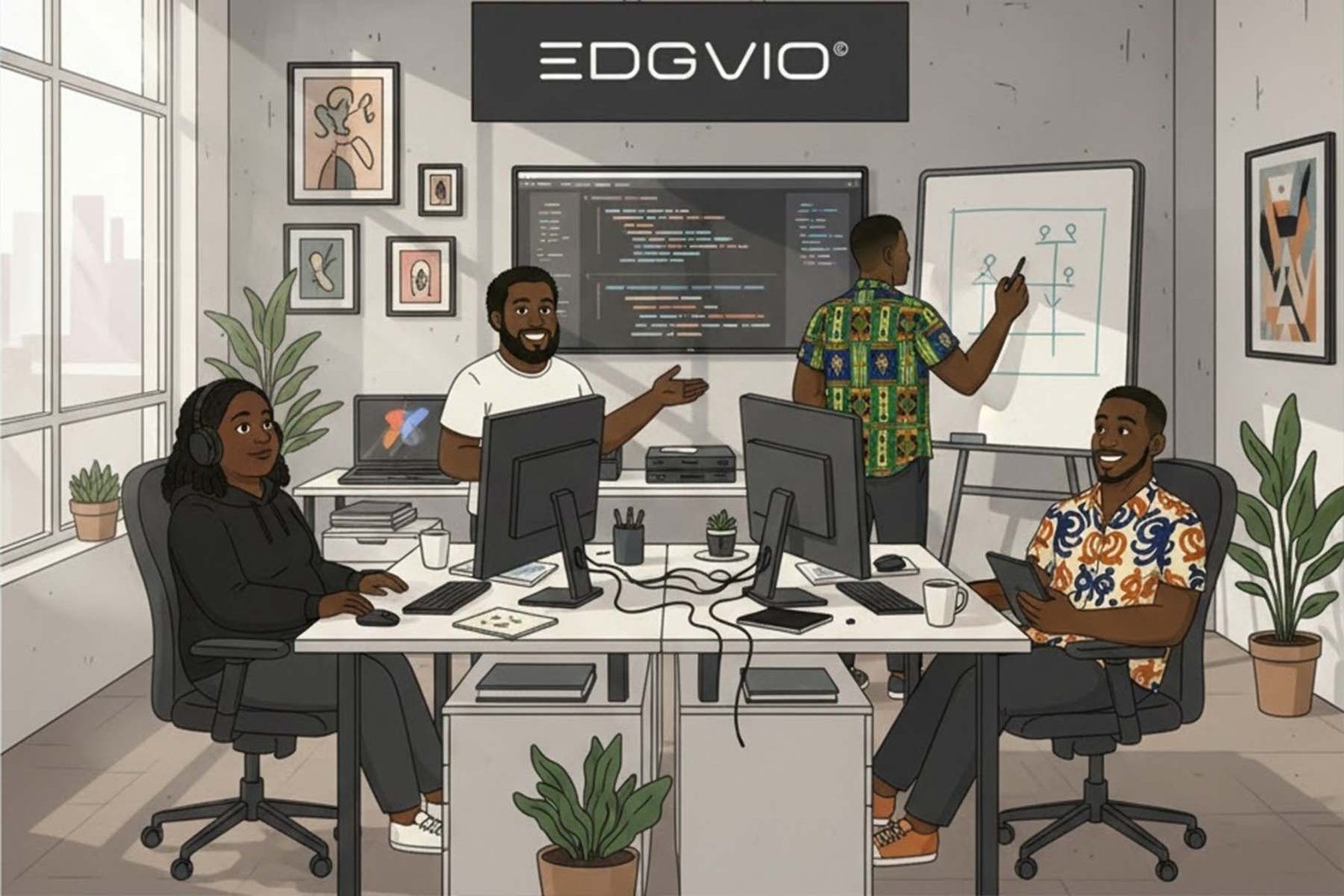
We’re not just another agency; we’re your on-demand creative partner, obsessed with your growth. We specialize in building websites that do more than just look good—they are meticulously engineered to convert visitors into loyal customers. Our entire process is built around data-powered design that delivers the measurable impact and ROI that ambitious startups demand. See our work and discover what we can build for you.
Frequently Asked Questions
What is the average cost of hiring a web design company?
Costs vary widely based on the project’s scope, the agency’s size, and location. A basic website from a freelancer might cost a few thousand dollars, while a complex site from a top-tier agency can exceed $100,000. It’s crucial to get a detailed proposal that outlines all deliverables.
How long does the web design process typically take?
A standard small business website can take anywhere from 6 to 12 weeks from kickoff to launch. More complex projects, such as e-commerce sites or custom web applications, can take several months. The timeline depends on the scope, the client’s feedback speed, and the agency’s process.
Should I choose a local web design company or a remote one?
In today’s digital world, location is less important than expertise and fit. A remote agency can offer access to a global talent pool and may be more cost-effective. The most important factor is finding a team that understands your goals and has a proven process for collaboration, regardless of their physical address.
What’s the difference between UI/UX design and web design?
Web design is a broad term that covers the visual appearance and layout of a website. UI (User Interface) design is a subset of this, focusing on the look and feel of individual interactive elements. UX (User Experience) design is about the overall feel of the experience—how easy and enjoyable the site is to use. A great web design company excels at all three.
What information should I prepare before contacting an agency?
To have a productive first conversation, you should have a clear idea of your goals, target audience, budget, and desired timeline. It’s also helpful to have examples of websites you like (and dislike) and a general understanding of the features and functionality you’ll need.
Choosing the right web design partner is one of the most critical decisions you’ll make for your business. It’s an investment in your growth, your brand, and your future. Instead of getting lost in lists of popular names, focus on finding a partner who is obsessed with your ROI and has the expertise to deliver conversion-driven, data-powered design. Ready to build a website that drives results? Book a call with Edgvio.